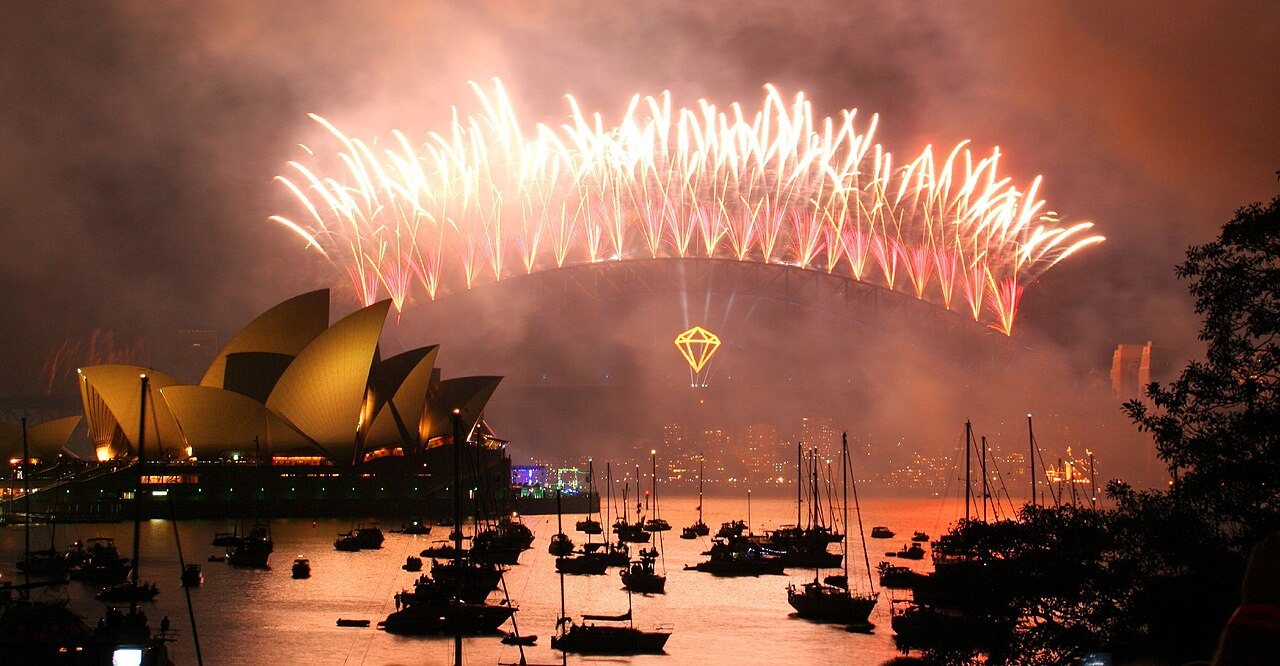
The Supreme Court has permitted the use of "green" firecrackers during Diwali, the festival of lights, a ruling that applies to low-emission crackers rather than conventional fireworks. The decision allows the celebration of a festival closely associated with the tradition of bursting crackers to continue, while distinguishing crackers designed to produce fewer emissions from those that are not.
The ruling concerns only low-emission crackers. Conventional fireworks are not covered by the permission, a distinction that marks the difference between the category the court has allowed and the wider range of crackers that have been the subject of concern over air quality during the festival period.
The reporting on which this account is based does not specify the conditions attached to the permission or how it would be enforced. No figures on pollution levels or on the volume of crackers in circulation have been provided in the material available, so the practical effect of the ruling on air quality cannot be assessed from it.
Diwali has long been tied to the fireworks tradition, and the festival's historical roots are a central part of how it is observed across the country. The question of how that tradition sits alongside environmental concerns has recurred in public debate in the years in which crackers have been restricted or regulated, and the court's permission for green crackers addresses that tension by allowing a cleaner alternative rather than a full prohibition.
The available material is limited, and it does not set out the reactions of authorities, manufacturers or residents to the ruling. Further detail on the scope of the permission, the standards that define a green cracker, and the enforcement arrangements will be needed to understand how the decision will operate on the ground in the states and cities that observe the festival.
Source: francoisecastex.org
2