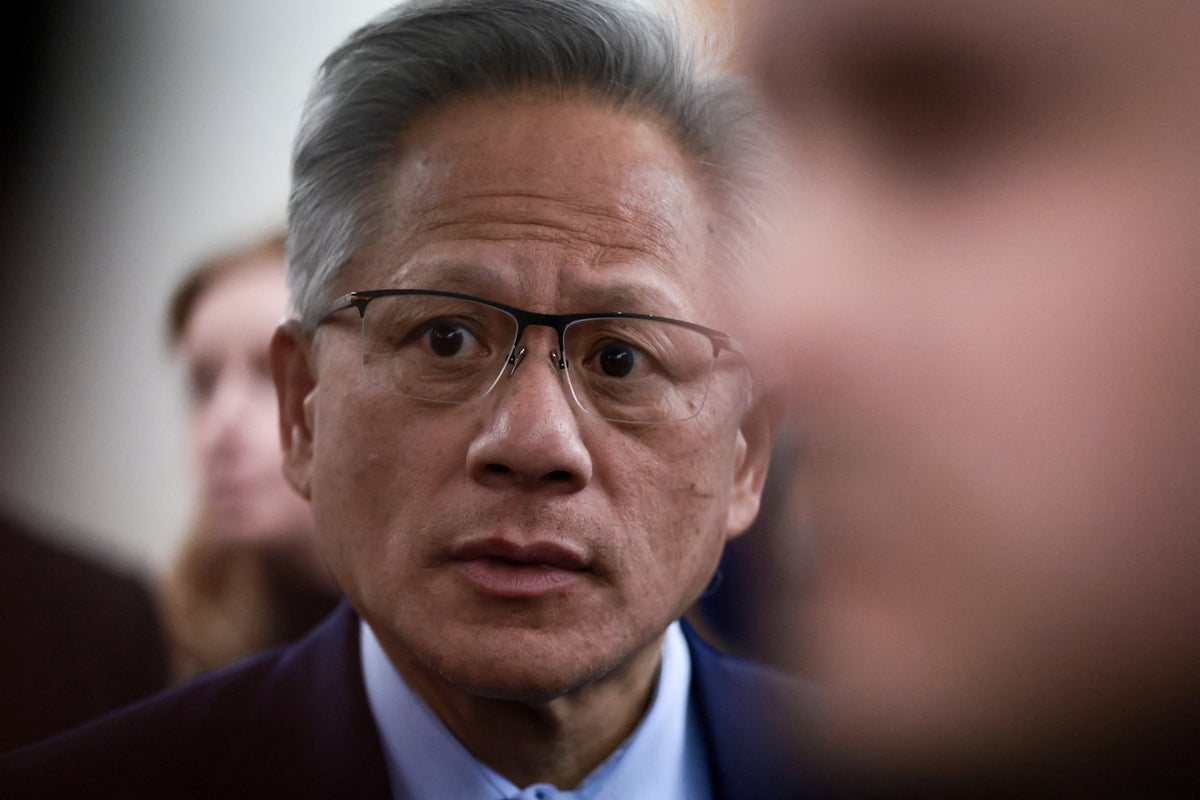
Nvidia shares fell about 8 per cent after hours on reports that the chipmaker is moving to oust its co-founder and chief executive, Jensen Huang, over an alleged affair with a subordinate. The company has hired the law firm Wachtell, Lipton, Rosen & Katz to investigate the matter, including whether Huang was targeted by foreign intelligence services.
According to the reporting, US officials describe Huang's alleged partner as a Chinese asset. Huang has issued a statement accepting full responsibility for his actions. The company's market value has dropped by more than $300 billion since the scandal began, a fall that underlines the weight investors place on the leadership of a firm whose products sit at the centre of the global artificial intelligence boom.
Lawmakers have called for investigations and tighter curbs on chip exports, while analysts have questioned whether Huang could realistically be forced out as chief executive. Nvidia has no clear public succession plan in place. China's foreign ministry has denied using an operative against the company.
Huang, 63, co-founded Nvidia in 1993 in San Jose, California. He was born in Taiwan, moved to Thailand and then to the United States as a child, and grew up in Oregon, where he studied electrical engineering at Oregon State University. He has been married to his wife, Lori, since 1985; the two met at college. Their two children, Madison and Spencer, hold senior roles at the company. His estimated net worth is about $141 billion.
The company he leads has grown into one of the most valuable businesses in the world. Its chips and software underpin leading AI models, and its market value had been near $4 trillion, making it the second most valuable company globally. Revenue more than doubled year on year in its latest quarter, and the firm employs roughly 42,000 people. Nvidia came close to collapse in the mid-1990s, and an earlier smartphone venture is widely cited as a misstep in its history.
Huang's political profile has also drawn attention. He lobbied for looser chip export controls on China, and US President Donald Trump has publicly defended him, calling him «honorable». The current allegations therefore sit at the intersection of corporate governance, US-China technology policy and national security, and the outcome of the internal probe will be closely watched by investors, regulators and Washington alike.
Source: independent.co.uk
2