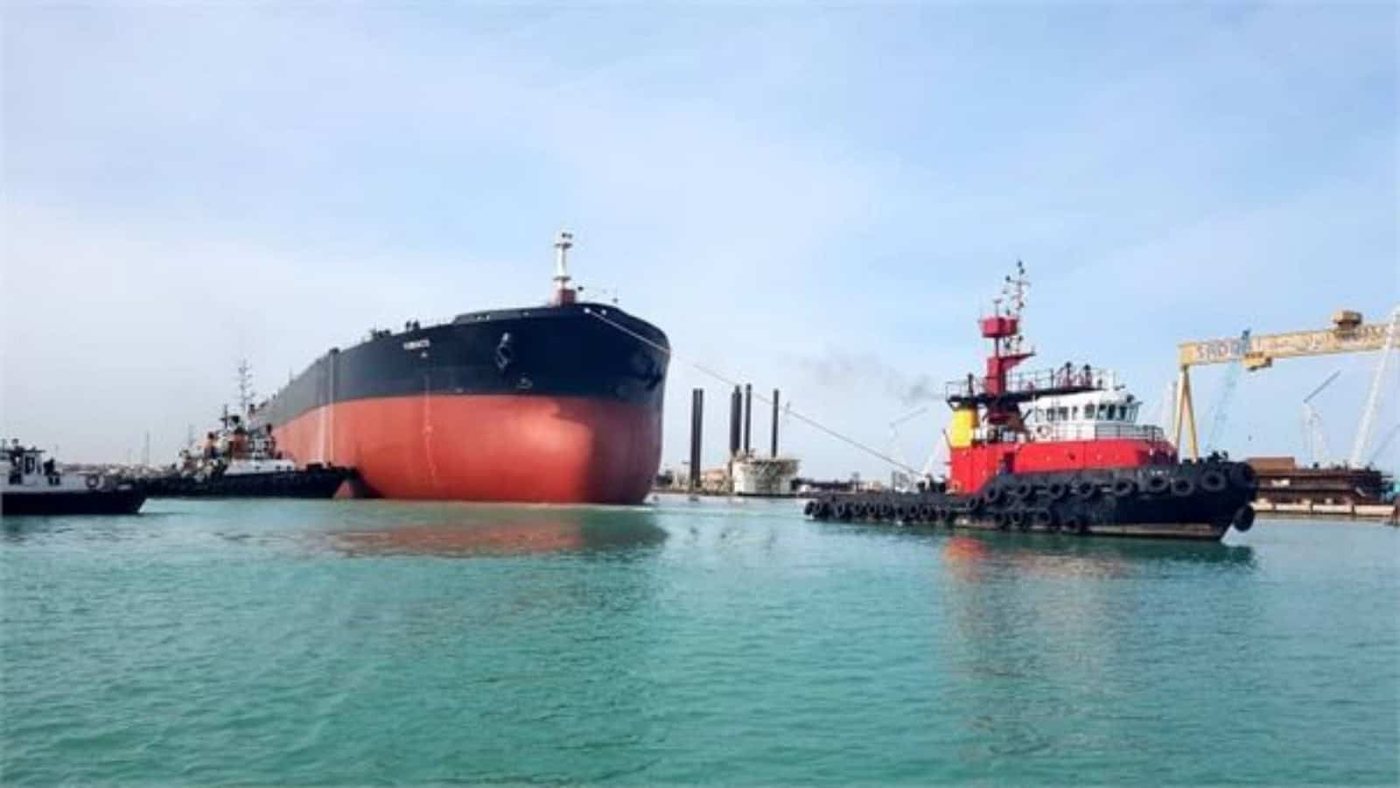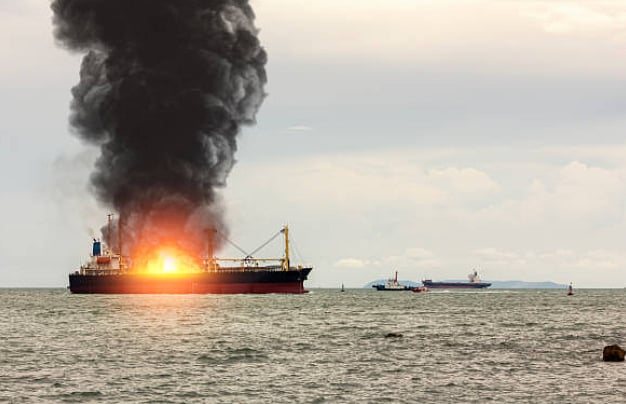
A projectile struck the Liberia-flagged oil tanker MT Fujairah Energy in the Persian Gulf on November 10, injuring four crew members, including one Indian national. The Indian seafarer's injuries have been described as minor, and he has been taken ashore for medical checks. Union Ports and Shipping Minister Sarbananda Sonowal disclosed the details, saying the government is monitoring the situation and working closely with the ship management company that operates the vessel.
The ship is a very large crude carrier, known in the industry as a VLCC, and was transiting from Al Ruwais to Dubai when it was hit. There were 26 crew members aboard, of whom six are Indian seafarers. Four crew members were injured. The condition of the other three injured crew members has not been confirmed in the information available. The remaining 20 crew members, including five Indians, have been reported safe. Because the Indian injury is classed as minor, the more serious medical picture for the rest of the injured remains unclear, and no further updates on their treatment were included in the reporting.
The incident is the latest in a series of strikes on commercial shipping in the Gulf, a waterway through which a large share of the world's oil and goods moves. Attacks of this kind have repeatedly placed merchant crews in the line of fire, and the reporting places the Fujairah Energy strike within that broader pattern rather than presenting it as an isolated event. The reporting does not identify who fired the projectile, what its origin was, or who is responsible for the attack.
India has condemned attacks on ships and their crews. New Delhi has consistently stressed the importance of freedom of navigation and the uninterrupted flow of maritime trade, concerns that carry particular weight given the large number of Indian seafarers employed on vessels across the region. For the families of the Indian crew and for the wider Indian shipping workforce, the episode underlines the risks faced by those who serve on tankers operating in the Gulf, where the seafarers themselves have little control over the threats they encounter at sea.
The government's response so far has centred on tracking the condition of those affected and coordinating with the vessel's management firm, which is the point of contact for the crew's welfare and for arrangements on the ship itself. Sonowal's disclosure is the principal official account available at this stage. The reporting does not indicate whether the tanker has resumed its voyage, whether it has been diverted, or what steps, if any, are being taken to reinforce protection for Indian crews on vessels in the same waters.
The episode also carries a practical consequence for the seafarers still aboard and for those awaiting news of colleagues. Five Indian crew members remain on the vessel, and the fact that all six Indian crew members were on board at the time of the strike has made the incident particularly close to home for India's maritime community. Until further information is released on the three injured crew whose condition is unknown and on the vessel's next steps, the full scale of the effect on the Indian seafarers involved will remain uncertain.
Source: dailypioneer.com
3