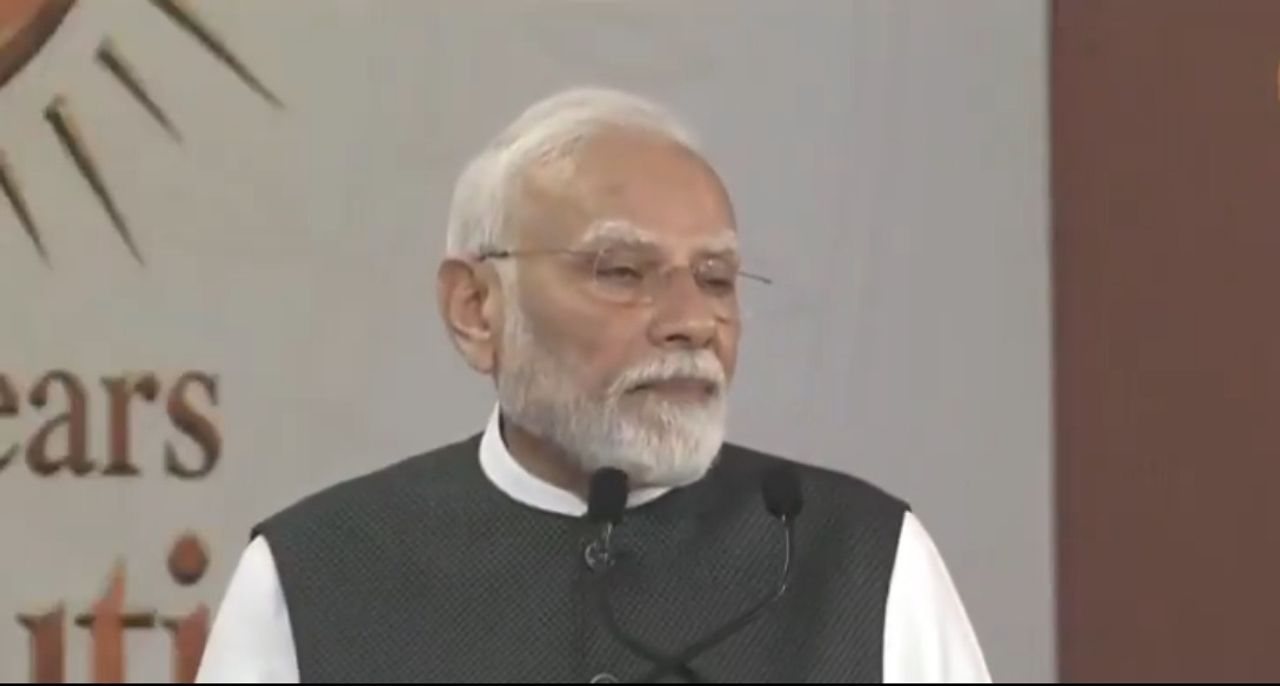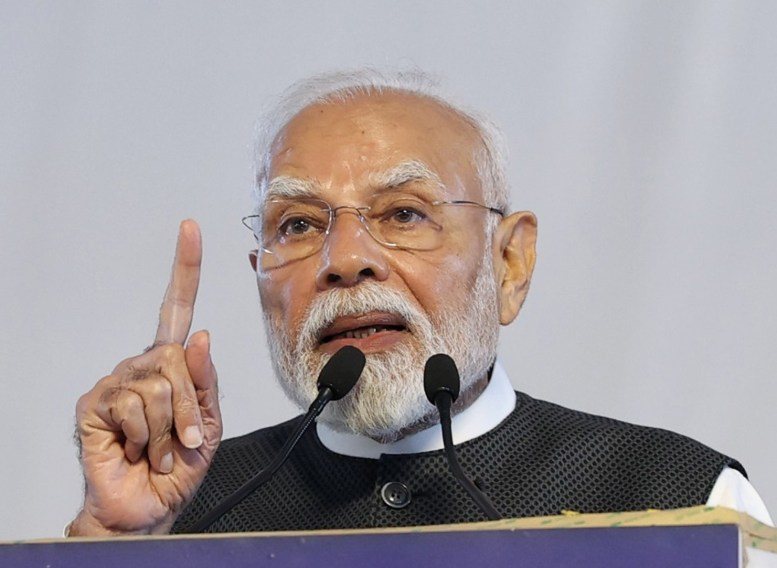
Prime Minister Narendra Modi paid tribute to Jawaharlal Nehru on his birth anniversary on Saturday, November 14, through a brief post on X. The day is observed across India as Children's Day, also called Bal Diwas, an occasion that draws attention to the welfare, education and rights of children. The Prime Minister's message was a single line of tribute, and it placed the former Prime Minister's name at the centre of a day that is otherwise marked largely in schools and homes.
Nehru is remembered affectionately as «Chacha Nehru» for his fondness for children. He regarded the education and welfare of children as central to the progress of the nation, and the observance carries that belief forward. The occasion stresses children's rights, education, healthcare and development, and it urges families, schools and society to provide safe environments in which children can grow. The message is not confined to one day; it asks adults to treat the needs of children as a continuing national responsibility.
The date has not always been November 14. Before 1964, Children's Day was marked on November 20, which matched the day recognised by the United Nations as World Children's Day. After Nehru died in 1964, Parliament adopted a resolution to shift the national observance to his birth anniversary. November 14 has been observed every year since that resolution, so the date now carries both a national and a personal association with the first Prime Minister. The change turned a day tied to an international calendar into one tied to a specific figure in India's public life.
In schools, the day usually begins with morning assemblies in which teachers and students speak about Nehru's vision for education. The programmes that follow are lively. Students perform dances, songs, skits, storytelling and poetry recitals, and many schools hold fancy dress and sports competitions. These activities give children a stage of their own on a day set apart for them, and they bring the commemoration from the platform of the assembly hall into everyday classroom and playground life.
The Prime Minister's tribute gave the occasion a national political dimension, although the observance itself is organised largely by schools and families rather than by the state. The report on the day was carried by IANS and republished by SocialNews.XYZ.
Source: socialnews.xyz
3