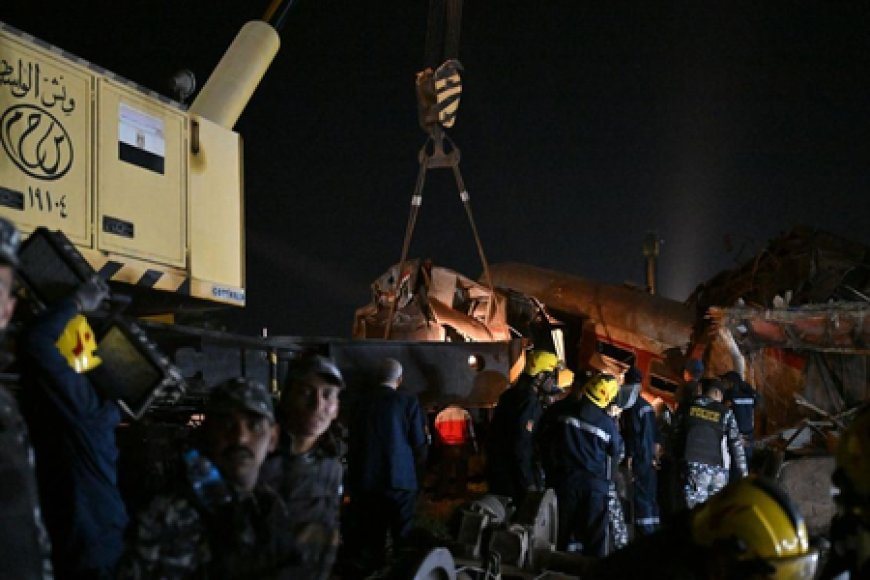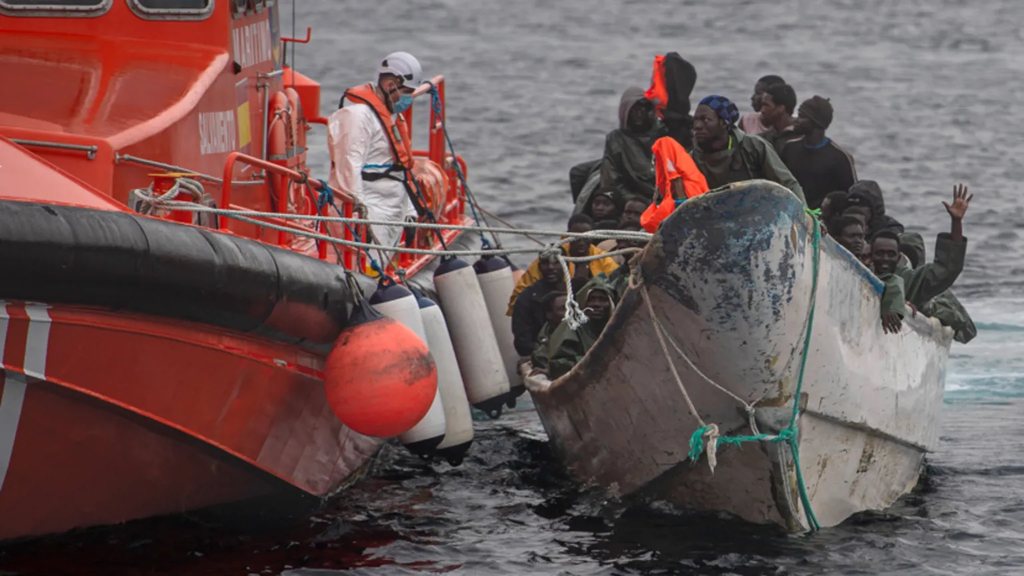
At least 34 people have died after a wooden boat carrying migrants capsized off Senegal, on a route between Dakar and Saint-Louis that was bound for the Canary Islands in Spain. Senegal's interior ministry said one person had been rescued, and the number of missing has not yet been established.
The founder of the Senegalese group Boza Fii said the bodies recovered so far were all Senegalese. The nationalities of the other passengers remain unknown, and search operations are continuing along the coast. Officials have not yet released a full passenger manifest, which has left families uncertain about who was on board.
The tragedy comes against a rising death toll on the Atlantic migration route. Walking Borders, a non-governmental organisation that tracks migrant deaths, has recorded 635 deaths on the Atlantic route between January and May 2026. It estimates that about 21 people die for every 100 arrivals on the Canary route. The Canary Islands have become a major entry point for migrants as Mediterranean crossings face tighter controls.
President Faye condoled with the families of the victims and urged citizens not to risk sea crossings. He pledged to dismantle the smuggling networks that organise the journeys, and the interior ministry said it would strengthen cooperation with neighbouring countries to curb departures.
The incident is not isolated. On Friday, Senegalese authorities intercepted a boat carrying 142 migrants, including women and children. Passengers on that vessel came from Senegal, Gambia, Guinea-Bissau, Guinea and Nigeria, showing how the route draws people from across West Africa.
Pressure on the route is also visible in Spain. Authorities declared an emergency on El Hierro, the smallest of the main Canary Islands, after a surge in arrivals. More than 3,300 people have reached the island in about 30 boats since November, a sharp concentration of arrivals on a small island with limited capacity to receive them.
The International Organization for Migration cites limited jobs, family pressure and established migration networks as the main drivers of departures. Official statistics for the second quarter of 2026 show that nearly one in four Senegalese youths is unemployed, a figure that underpins the economic motives behind many journeys.
For families in Senegal, the immediate concern remains the search for the missing and the identification of those who have died. Authorities have not yet said how long the search will continue or when a final toll will be confirmed, and the nationalities of the non-Senegalese passengers remain unresolved.
Source: myjoyonline.com
10