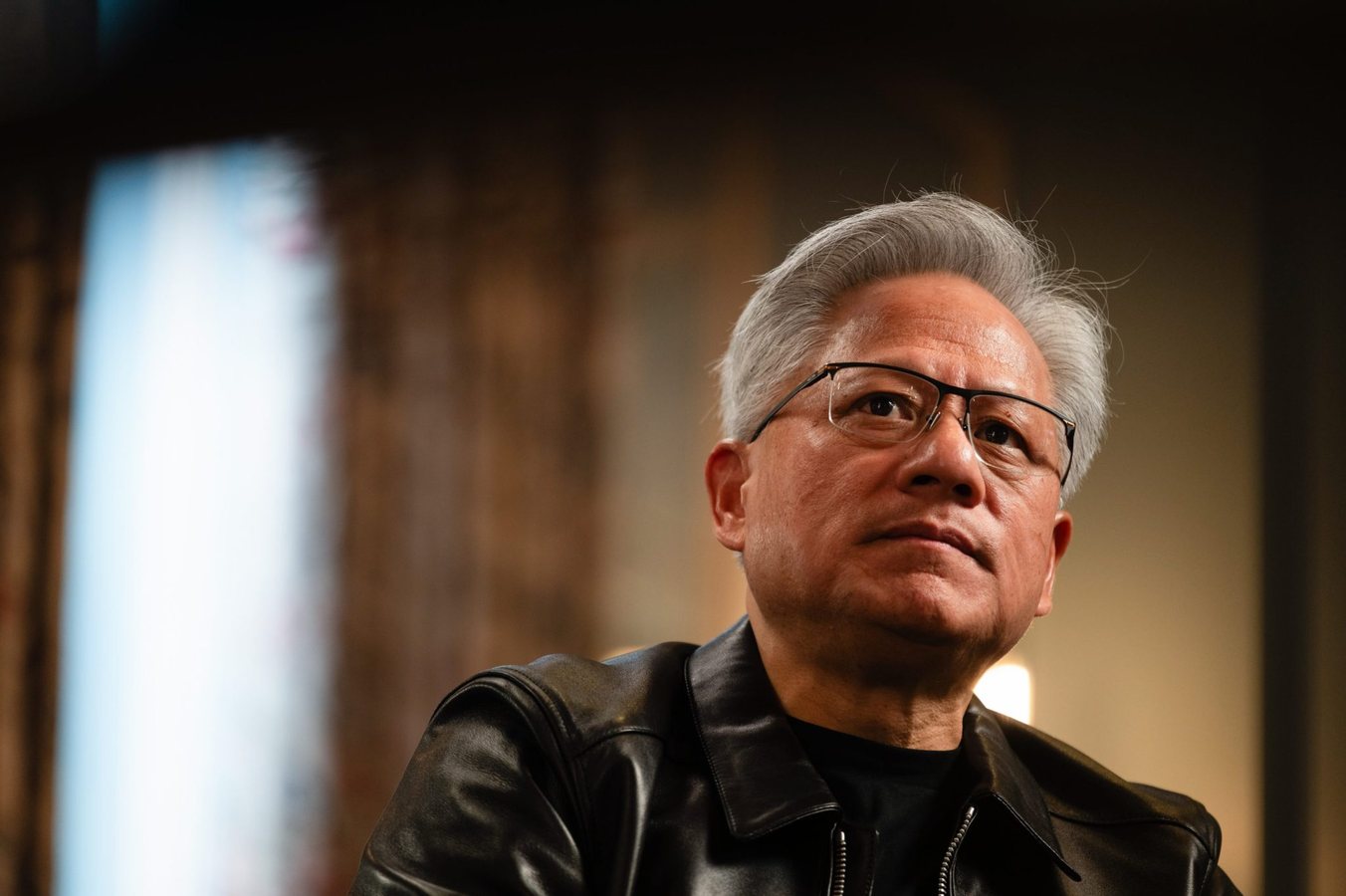
Nvidia co-founder Jensen Huang is stepping down as chief executive and will also leave the company's board, the chipmaker announced on Thursday, 12 November. The move comes at a sensitive moment for the company, which has been at the centre of the global boom in artificial intelligence and whose market value is close to $4 trillion.
Colette Kress, the company's chief financial officer, has been named interim chief executive. Nvidia said it is searching for a permanent successor but has not indicated when that appointment will be made. Harvey Jones, formerly chief executive of the software firm Synopsys, has been named the company's first independent board chairman.
Shares in Nvidia fell more than 10 per cent in premarket trading after the announcement and weighed on the broader market. The stock later closed down 4.3 per cent at $178.67. Huang, who holds a stake of about 3.6 per cent in the company, has seen his net worth fall by roughly $10 billion to about $145 billion, which has taken him out of the world's top 10 richest people.
The departure follows a board investigation, led by independent directors, into whether foreign intelligence sought to target the company through its leadership. Reports cited in the company's notes say Huang had an affair with Alice Huang, an unrelated Chinese businesswoman, and that US authorities reportedly concluded she was a Chinese intelligence asset. Beijing has denied the claim. Alice Huang was formerly associated with Megaspeed, a Singapore cloud computing firm that is a partner of Nvidia. Washington is reportedly examining Megaspeed in connection with China's chip export controls.
A separate report by The New York Times described an affair between Huang and Kimberly Powell, Nvidia's vice-president for healthcare. Neither Powell nor Nvidia has publicly responded to that report. Nvidia's board has said it found no evidence that national security or company secrets were compromised, though the extent of any intelligence breach has not been fully resolved.
A class-action lawsuit has also been filed, alleging that Nvidia failed to disclose Huang's Chinese connections to investors. Analysts and commentators have pointed to the wider consequences of his exit. Huang built Nvidia into the dominant supplier of chips used to train and run AI systems, and he has invested in much of the ecosystem around the technology. His departure may affect that network, as well as US chip export policy and Nvidia's access to the Chinese market.
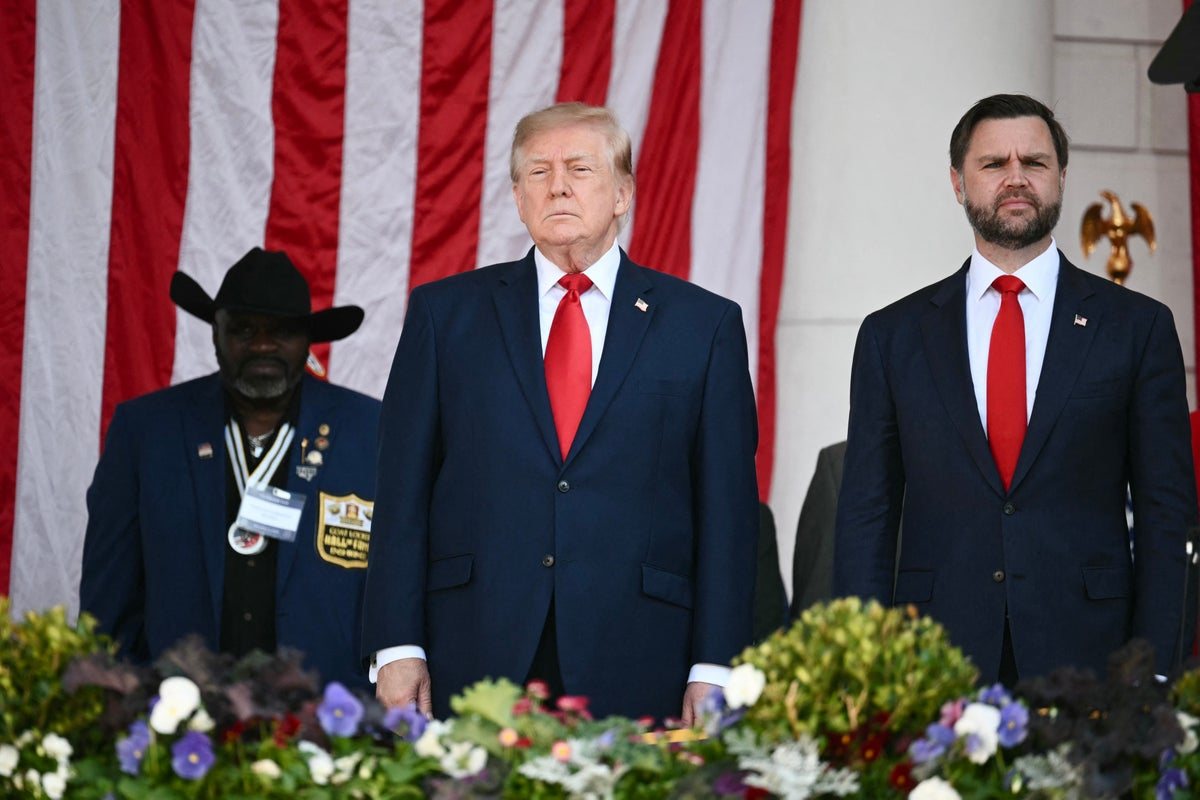
US President Donald Trump praised Huang and said he had been unaware of the identity of the alleged spy. An all-hands meeting for Nvidia staff is scheduled for 18 November, when more details on leadership arrangements may emerge.
Source: srnnews.com
3